How to Choose the Right Knife for Every Kitchen Task
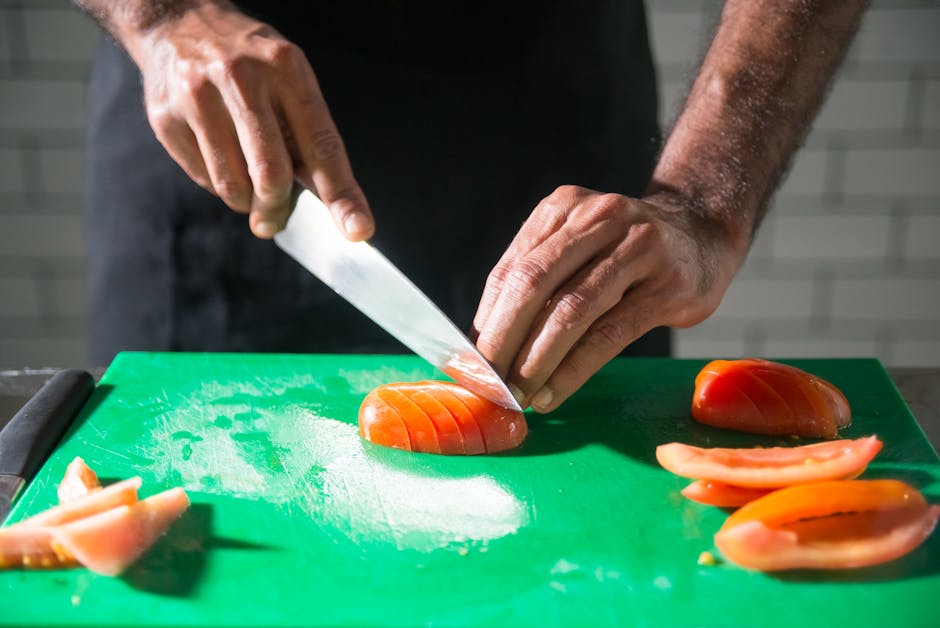
Every professional chef knows that a sharp, appropriate knife makes all the difference in the kitchen. Whether you're preparing vegetables, carving meat, or filleting fish, having the right tool transforms both your efficiency and your results. Yet many home cooks struggle with knife selection, often investing in expensive sets they don't need.
The chef's knife, typically 8 inches long, is your workhorse. It handles roughly 90% of kitchen tasks from chopping onions to slicing chicken breast. A good chef's knife should feel balanced in your hand, with the weight distributed between blade and handle. Stainless steel offers easy maintenance, whilst carbon steel holds a sharper edge but requires more care.
Beyond the chef's knife, consider these essentials:
- Paring knife – a small 3-4 inch blade for precise work like deveining prawns or trimming vegetables
- Serrated bread knife – essential for slicing bread and tomatoes without crushing them
- Boning knife – curved and flexible, perfect for following bone contours when butchering poultry or meat
Many cooks waste money on knife blocks containing blades they'll never use. Instead, invest in two or three quality knives you'll actually reach for daily. A chef's knife and paring knife combination covers most home cooking needs.
Maintenance matters more than brand names. A dull knife is dangerous because it requires more pressure, increasing slip risk. Learn to use a honing steel weekly – this realigns the blade edge without removing metal. Annual professional sharpening keeps your knives in peak condition. Store knives on a magnetic strip or with blade guards rather than loose in drawers, which damages both blade and your fingers.
When shopping, handle knives before buying. The best knife is one that feels comfortable in your hand and matches your cutting style. Your local Sheffield kitchen shop can guide you through options and often sharpen your knives professionally too. Remember, quality knives are investments that last decades with proper care, ultimately saving money compared to constantly replacing cheap alternatives.